Sound Design Factors Shaping Session Lengths in Automated European Gaming Platforms
Theo Wagner · Sep 12, 2026
Sound Design Factors Shaping Session Lengths in Automated European Gaming Platforms
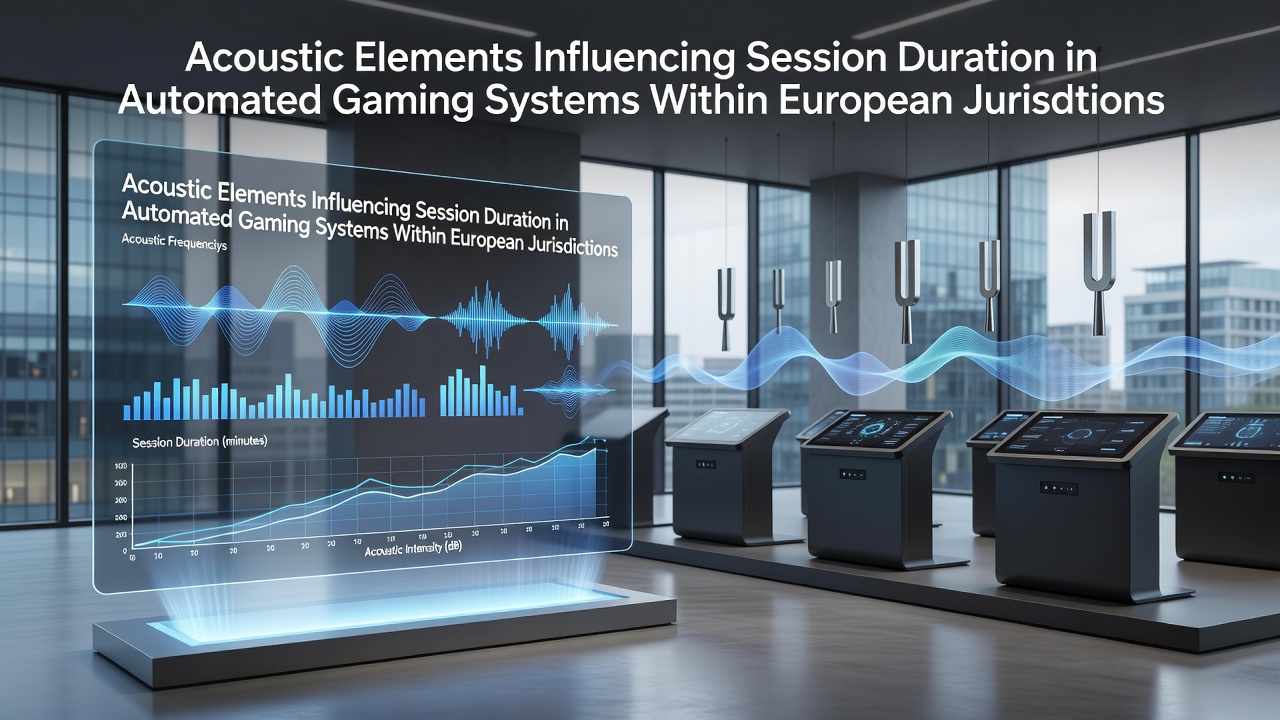
Automated gaming systems across European jurisdictions incorporate layered audio components that researchers track for their measurable effects on how long sessions last. Background tracks, win chimes, reel spins, and ambient effects combine in sequences designed to maintain player attention without triggering regulatory flags on excessive stimulation.
Data from multiple operator logs indicate that certain frequency ranges and tempo adjustments correlate with extended play intervals in markets such as Malta, Spain, and the Netherlands. These patterns emerge when systems adjust sound intensity based on bet size or win frequency, creating feedback loops that studies quantify through session timestamp analysis.
Core Audio Components in Automated Systems
Reel spin sounds typically occupy mid-range frequencies around 200 to 500 Hz, while celebratory win effects spike into higher registers near 1 kHz to 3 kHz. European operators calibrate these levels to comply with local technical standards that limit peak volumes yet permit dynamic variation. One study released in early 2026 tracked over 12,000 sessions adn found that gradual volume increases during bonus rounds extended average duration by measurable margins compared with static audio settings.
Ambient loops run beneath primary game sounds in many titles licensed for EU markets. These continuous tracks use low-frequency drones or subtle percussive elements to fill silence between spins. Observers note that titles featuring adaptive ambient layers show different retention curves than those with fixed background tracks, particularly when the system modulates volume or texture in response to consecutive losses.
Regulatory Context Across Jurisdictions
Technical requirements in several member states address audio output directly. Maltese licensing conditions specify maximum decibel thresholds for player-facing devices, while Spanish regulations require operators to log audio configurations alongside game mathematics. In the Netherlands, the Kansspelautoriteit reviews sound files during certification to ensure they do not simulate real-world casino atmospheres that could blur distinctions between virtual and physical environments.
September 2026 updates to harmonized reporting templates across multiple authorities now request aggregated session data segmented by audio preset. This shift allows regulators to compare how identical game mathematics perform under different sonic treatments without mandating changes to core random number generators.
Observed Patterns in Session Metrics
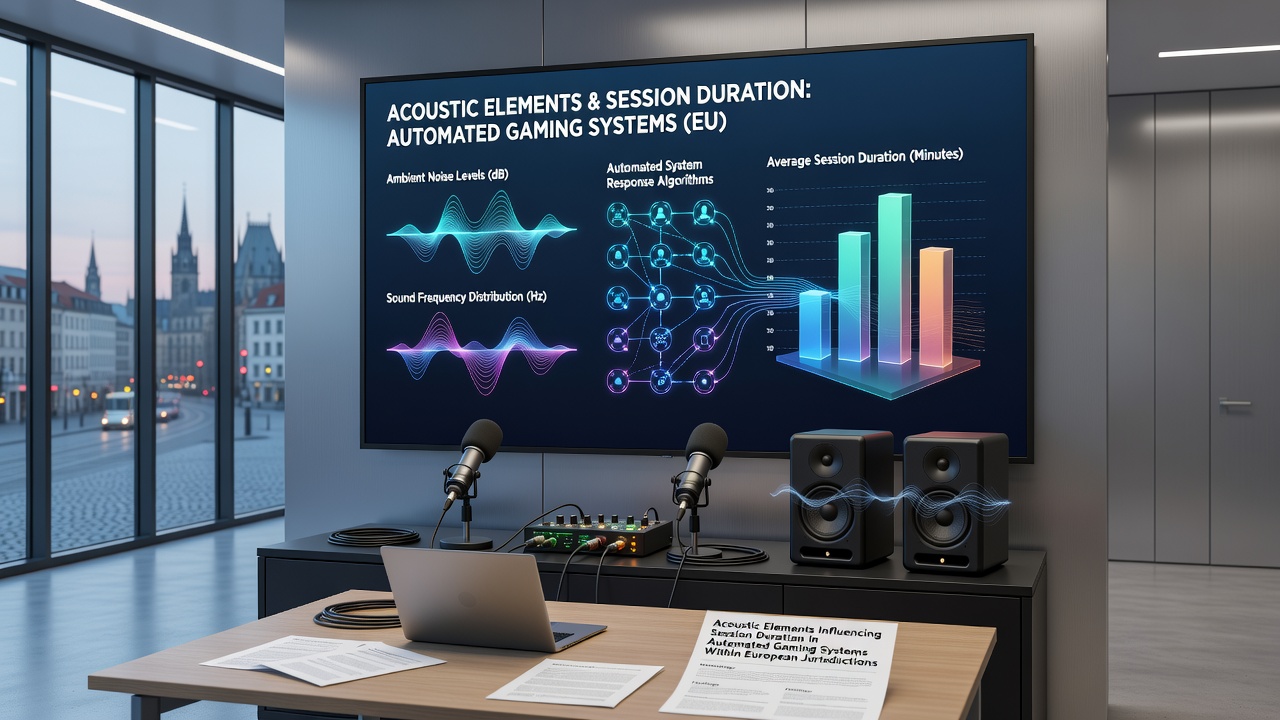
Analysis of anonymized telemetry from licensed platforms reveals consistent correlations between specific audio events and continuation rates. Win celebration sequences lasting between 1.8 and 2.4 seconds coincide with higher probabilities of immediate re-bet compared with shorter or longer variants. Loss sounds that incorporate brief ascending motifs rather than descending tones appear linked to smaller reductions in subsequent bet amounts across sampled populations.
European research consortia have examined how tempo adjustments affect perceived passage of time. One multi-operator dataset compiled through industry associations showed that games maintaining a steady 120 beats per minute during base play recorded average session lengths approximately 8 percent longer than those using variable tempos that drop below 100 bpm after extended play. These findings appear in aggregated reports rather than individual title disclosures.
Cross-jurisdictional comparisons highlight further nuances. German-licensed automated systems tend toward restrained audio profiles following stricter consumer protection guidelines, whereas Greek and Romanian platforms allow more pronounced dynamic range. Despite these differences, session duration distributions remain influenced by the same core acoustic variables once game mathematics and stake options are controlled for statistical analysis.
Technical Implementation and Measurement
Modern gaming engines tag each audio asset with metadata that platforms record alongside bet and outcome logs. Developers embed identifiers for frequency bands, duration, and trigger conditions so that post-session queries can isolate the contribution of individual sound events. This tagging system supports the detailed reporting now required under updated EU-adjacent technical standards.
Third-party testing labs verify that audio configurations match submitted files before deployment. Any post-certification alteration to sound files triggers re-evaluation in most jurisdictions. Operators therefore maintain version-controlled audio libraries that align with both creative goals and compliance records.
Conclusion
Acoustic elements function as measurable variables within automated gaming systems operating under European oversight frameworks. Session duration data segmented by audio parameters provide regulators and operators with quantifiable inputs for compliance monitoring and product adjustment. Continued collection of these metrics through September 2026 and beyond will refine understanding of how sound design interacts with other game components across diverse licensing regimes.