Midwest Poker Leagues Navigate Fresh State Regulatory Shifts
Klara Schmidt · Oct 24, 2026
Midwest Poker Leagues Navigate Fresh State Regulatory Shifts
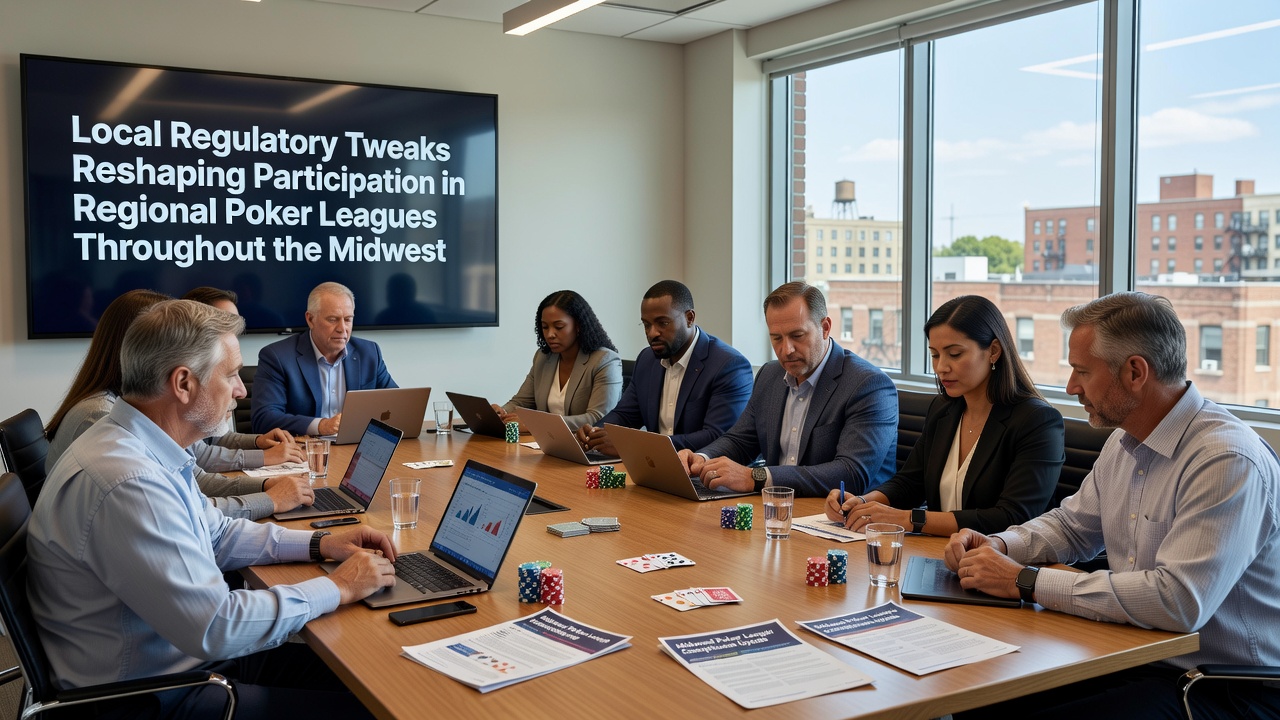
Local regulatory adjustments across Midwest states have begun to influence how regional poker leagues operate and who joins them. These modifications touch on licensing requirements for smaller events, limits on entry fees, and rules governing multi-table formats in venues that fall outside large casino properties. Observers note that such changes emerged gradually through 2026 as state gaming boards responded to growth in amateur circuits and concerns over player protections.
Illinois Adjustments Affect Tournament Structures
Illinois introduced updated guidelines in early 2026 that require poker leagues hosting events with over 50 participants to secure additional permits from the Illinois Gaming Board. These permits involve background checks for organizers and caps on administrative fees deducted from prize pools. Data from the first half of the year shows a 12 percent drop in league registrations in the Chicago suburbs while numbers held steady in downstate areas where smaller weekly games predominate. One study from a regional university tracked how these rules prompted some leagues to split large events into multiple smaller sessions to stay under thresholds.
Leagues that adapted quickly reported sustained attendance. Others consolidated operations or shifted to private club settings that fall under different oversight categories. Figures released in October 2026 indicate that total player hours across monitored Illinois leagues remained within 3 percent of 2025 levels despite the structural changes.
Iowa and Indiana See Varied Responses
Iowa expanded its oversight of sweepstakes-style poker events through legislation that took effect mid-year. The new provisions require operators to register with the Iowa Racing and Gaming Commission if events offer cash prizes above a certain threshold. This move redirected several informal leagues toward charity-focused formats that avoid direct payouts. Participation in licensed casino-affiliated leagues rose by 8 percent during the summer months according to commission summaries while standalone groups reported fewer sign-ups.
Indiana maintained lighter touch rules but clarified tax reporting obligations for winnings above $5,000 from league play. State revenue department notices issued in spring prompted many organizers to add withholding procedures at the table. Those adjustments created minor delays in payout processes yet did not produce measurable declines in overall attendance according to league records compiled through September.
Missouri and Ohio Developments
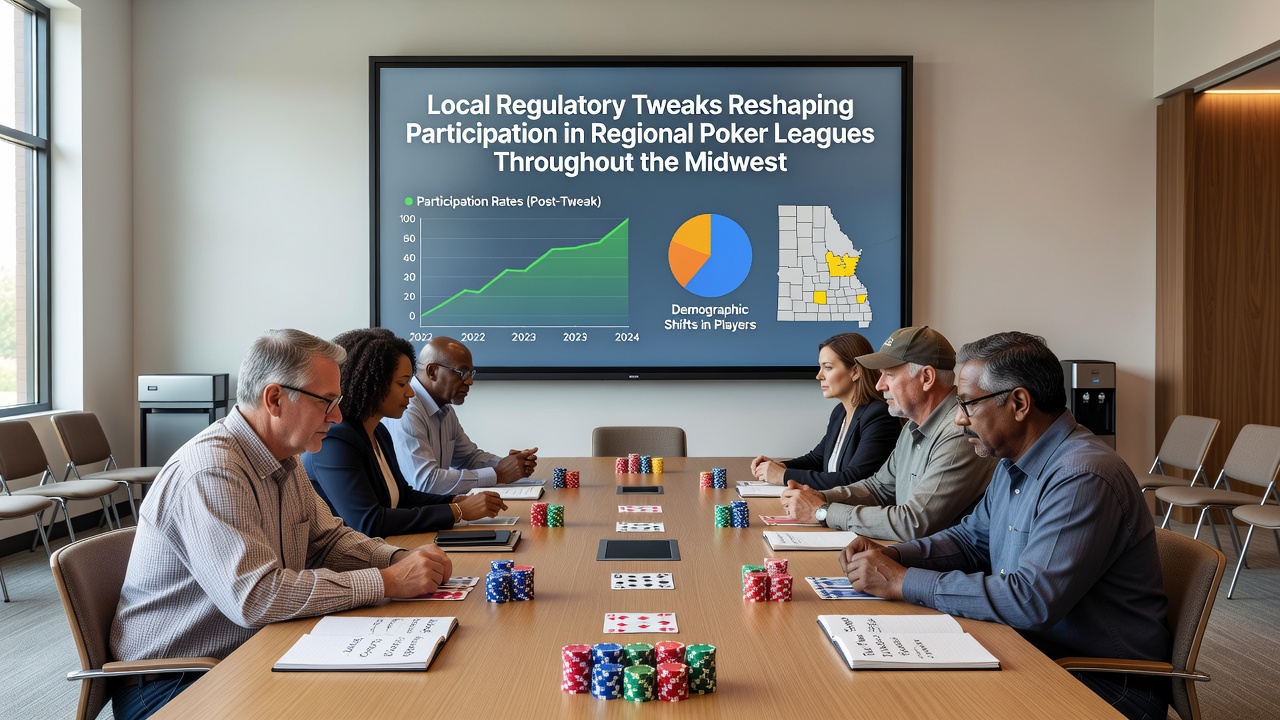
Missouri gaming authorities updated venue licensing categories to include dedicated poker league spaces in bars and restaurants. Venues now need separate approvals if they host recurring events with consistent player pools. Early compliance data from the Missouri Gaming Commission shows that 23 establishments completed applications by October with another dozen still pending. Leagues using these venues experienced a brief pause in scheduling while paperwork cleared but resumed normal calendars once approvals arrived.
Ohio focused on age verification protocols after reports surfaced of underage participation in certain regional circuits. The Ohio Casino Control Commission mandated digital ID scanning at events exceeding 30 players. Implementation costs led some smaller leagues to cap attendance or partner with larger operators that already maintained scanning equipment. Aggregate participation across tracked Ohio leagues remained stable through the third quarter of 2026 even as individual groups adjusted formats.
Broader Patterns in Player Movement
Across the region players began migrating between states and league types in response to the patchwork of rules. Some traveled across state lines to events with fewer administrative hurdles while others joined online components that operated under different jurisdictional frameworks. Research compiled by a Midwest university consortium tracked these shifts through anonymized registration data and found that roughly 15 percent of active participants changed primary leagues between January and September 2026.
Industry groups such as the Poker Players Alliance documented similar trends in member surveys. Those reports noted increased interest in leagues that emphasized compliance education and transparent fee structures. The adjustments have not eliminated regional circuits but have encouraged organizers to standardize certain practices like prize pool disclosures and dispute resolution procedures.
Looking Ahead
State regulators continue to monitor outcomes from the 2026 changes. Additional tweaks remain possible as data accumulates on participation levels and enforcement costs. Leagues that built flexibility into their structures appear positioned to handle further modifications while those with rigid formats may face continued pressure to adapt or consolidate.
Conclusion
The regulatory landscape for Midwest poker leagues continues to evolve through targeted state-level modifications. These adjustments influence event sizes, operational costs, and player options without producing uniform outcomes across jurisdictions. Ongoing data collection from commissions and academic sources will shape the next round of refinements as leagues and regulators respond to observed participation patterns.