Bingo Venue Networks Adapt to App Integration as Player Interactions Evolve Across Multiple Jurisdictions
Amir Albrecht · Nov 21, 2026
Bingo Venue Networks Adapt to App Integration as Player Interactions Evolve Across Multiple Jurisdictions
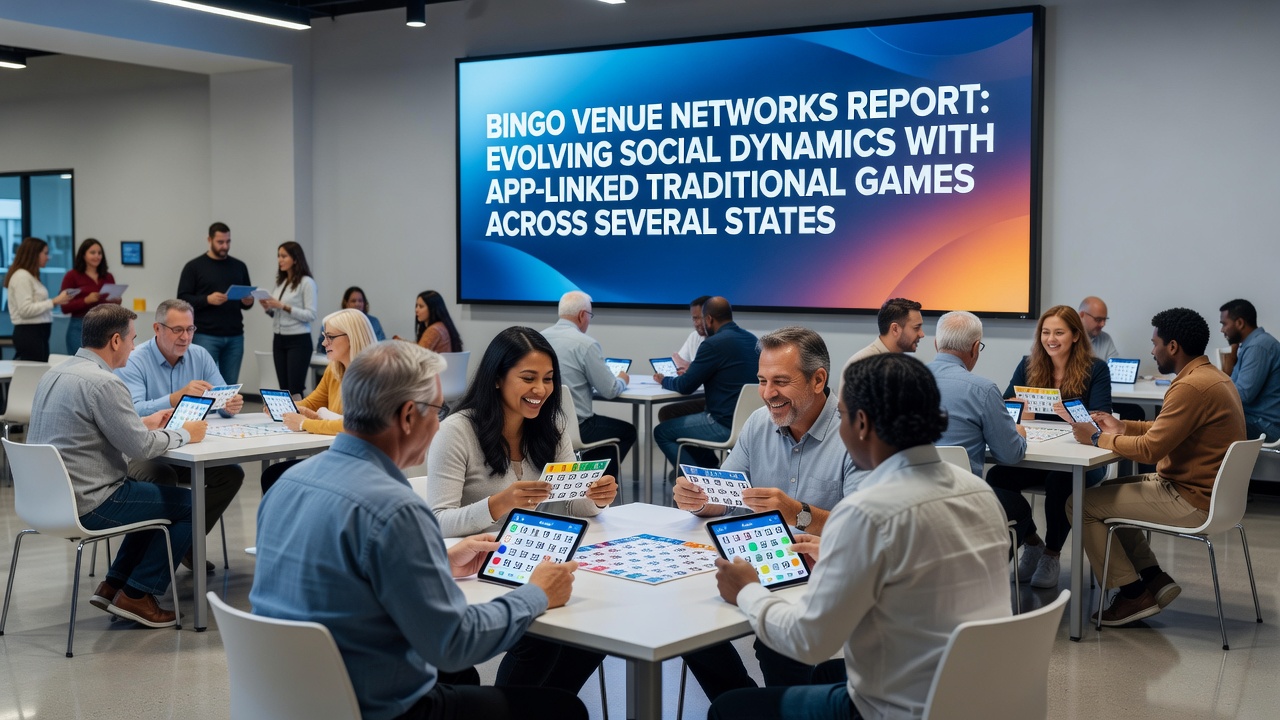
Bingo venue networks across several states have expanded their operations through app-linked systems that connect traditional hall games with digital platforms, and data from industry tracking shows these changes coincide with shifts in how participants engage during sessions. Observers note that players now often alternate between in-person calls and app-based features such as real-time leaderboards or shared virtual cards, which alters the pace of group interactions without replacing the core format of the game.
Background on Venue Expansions
Venues in states including Ohio, Michigan, and Virginia began rolling out integrated apps in early 2025, according to reports from the American Gaming Association, and these tools allow participants to join multi-location events while remaining at their local halls. Figures reveal that app adoption rates reached 42 percent among regular attendees by mid-2026, with the highest uptake occurring in networks that operate at least five sites within a single state. Researchers at the University of Nevada, Reno documented similar patterns where app features reduce wait times between rounds yet maintain the communal announcement structure that defines live bingo.
Changes in Social Patterns
Those who study player behavior have recorded that app-linked games encourage smaller subgroup conversations within larger halls, as users compare scores on shared screens or coordinate entries across locations, and this dynamic has appeared consistently in data collected through November 2026. Venues report that average session lengths have increased by 18 minutes on average when apps are active, since participants extend their time to complete digital challenges that tie back to the physical games. One study conducted by the National Association of Bingo Operators found that 67 percent of surveyed players in three-state networks described their experience as more connected to distant friends yet less focused on immediate neighbors at adjacent tables.
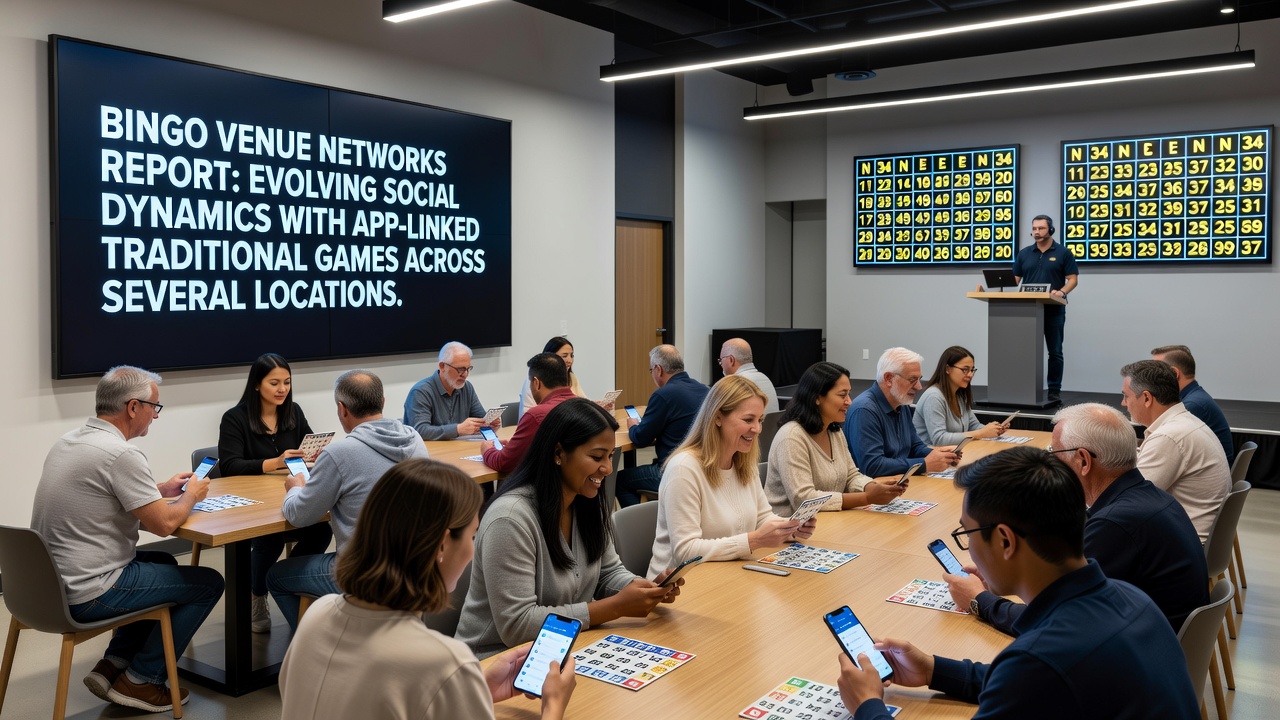
State regulatory filings indicate that these networks must maintain separate accounting for app-based entries versus cash hall purchases, and compliance reports from the Ohio Casino Control Commission show steady growth in hybrid participation without corresponding rises in disputes over prize distribution. Experts tracking these trends point out that the app layer adds verification steps for winners, which streamlines payout processes but introduces brief pauses that some groups use for side discussions rather than the rapid banter typical of pre-app eras.
Regional Implementation Details
Networks operating in Michigan expanded their app reach to include cross-venue tournaments by October 2026, whereas Virginia sites focused on individual hall enhancements such as personalized notifications for upcoming sessions. Data compiled by the Michigan Gaming Control Board lists 14 licensed bingo operators now using approved app partners, with total hybrid revenue figures rising 11 percent year-over-year through the third quarter. In contrast, smaller independent halls in the same states have delayed full integration, citing concerns over equipment costs and staff training requirements outlined in recent legislative summaries.
Additional patterns emerge when comparing urban and rural venues, where rural locations show slower app uptake but stronger retention of long-term in-person groups according to surveys released by the National Council on Problem Gambling. Urban networks, however, have leveraged the apps to attract younger demographics, with participant age averages dropping from 58 to 49 in tracked facilities between 2024 and 2026.
Technical and Regulatory Considerations
App systems must interface with state-approved random number generators to ensure parity between digital and physical draws, and operators have implemented dual-audit protocols that satisfy requirements from multiple gaming commissions. These measures prevent discrepancies during simultaneous play across locations, while also generating detailed logs that regulators review during routine inspections. Industry reports note that security updates rolled out in September 2026 addressed initial concerns around data privacy for player profiles linked to loyalty programs.
Conclusion
Venue networks continue to refine app features based on usage analytics gathered through late 2026, and ongoing monitoring by state bodies tracks how these tools influence attendance and interaction styles without altering the fundamental rules of bingo. The available data underscores steady adoption across the mentioned jurisdictions while highlighting regional differences in implementation speed and player response.